
Why most EAPs only address a fraction of the employee wellbeing/productivity issues
Paul Flanagan on the number that matters most in employee mental health, and what a different model makes possible.
Most traditional EAPs reach only 3–6% of a workforce in a year. It is the single most important number in employee mental health, and the one least often discussed. I have spent more than 30 years running Employee Assistance Programs, and the reach problem is not about awareness. It is built into the traditional model. When a program waits for people to reach crisis point, it will only ever meet a small proportion of employees with issues impacting their mental wellbeing and productivity.
What EAP utilisation actually measures
EAP utilisation is the percentage of your workforce that engages with the program over a defined period, usually a year. It is worth being precise about what counts. Some reports include every website visit or app download. A more meaningful measure is the proportion of people who receive genuine support, whether that is counselling, early intervention, or a structured mental health activity. Held to that stricter definition, the traditional benchmark of 3–6% becomes clear.
Why traditional EAP utilisation is low
- It waits for crisis. A reactive model depends on someone identifying a problem and asking for help. Most people delay, and many never make the call.
- It sits outside the workplace. A service that is disconnected from the organisation rarely addresses the work-related pressures that affect people day to day.
- It offers one way in. Counselling appeals to some people. Prevention and early support reach the far larger group who are not yet in crisis.
- It is invisible most of the year. People may remember the program exists at the point of distress, but not before that.
The gap between need and reach
Research consistently shows that around 20–25% of employees experience mental health challenges that affect them personally and at work. Set that against the typical EAP utilisation of 3–6% and the gap is stark. For a workforce of 1,000 people, that is roughly 200 to 250, while as few as 30 to 60 typically access EAP counselling.
What higher engagement looks like
A program built for prevention and early intervention reaches a different order of people. Life Street built the Proactive EAP® to engage more than 50% of a workforce by meeting people well before crisis, through a personalised digital experience backed by experienced clinical support. Higher engagement is not the goal in itself. It is the evidence that people are being reached early, when professional support is more effective for work-related issues and when the workplace still has options.
This is not a criticism of counselling, which remains essential. It is a recognition that counselling alone, offered reactively, fails most of the workforce and is often too late.
How to lift utilisation in your organisation
- Look for prevention, not just crisis response. A program that only offers counselling will keep reaching the same small group.
- Give people a reason to engage before crisis. A relevant digital experience keeps the program present through the year, not only at the worst moment.
- Connect the program to the workplace. Support for managers and the organisation reaches people earlier.
- Measure accurately. Ask your provider for the share of your workforce that received real support and the extent of the help.
Frequently asked questions
How is EAP utilisation measured?
It is the share of employees who engage with the program over a period, usually annually. The most useful measure counts people who receive real support.
What is a good EAP utilisation rate in Australia?
Traditional programs typically reach 3–6% of a workforce in a year. A proactive model designed for early engagement can reach more than 50%. The right benchmark depends on how utilisation is defined, so ask whether a figure counts genuine support.
Why is EAP usage so low?
Traditional EAPs are reactive. They wait for employees to reach crisis and then offer counselling, which only reaches the small group who recognise a problem, see counselling as a solution, and choose to act. Prevention and early intervention reaches and helps far more people.
Can EAP utilisation be improved?
Yes. Measuring accurately, building in prevention and early intervention, using senior clinicians, and connecting the program to managers and to HR and WHS all lift engagement.
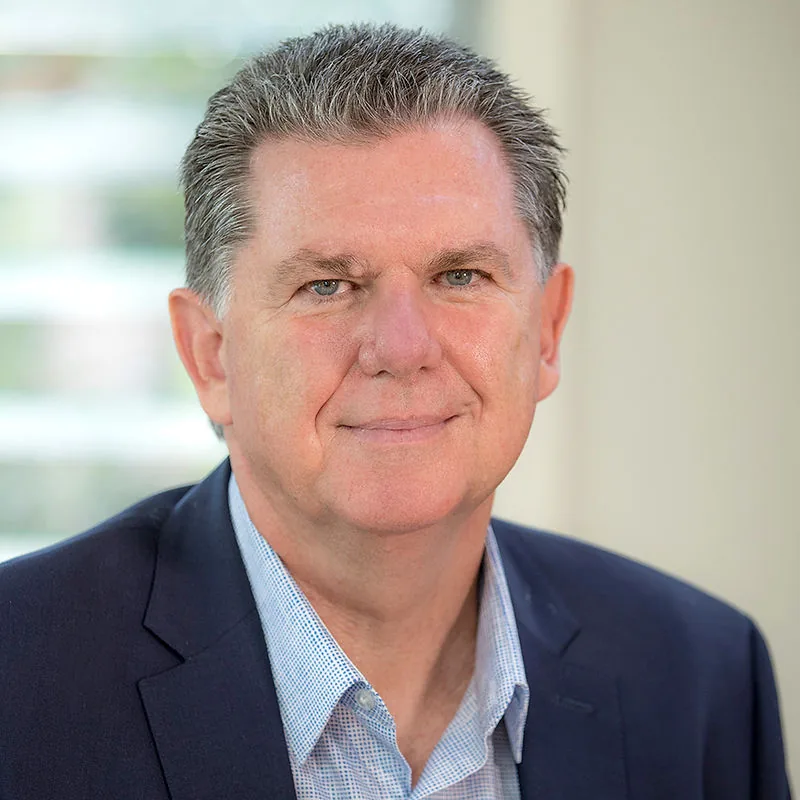
Paul FlanaganPsychologist and founder of Life Street, Paul has spent more than 30 years running Employee Assistance Programs for organisations in Australia, New Zealand and globally. Meet the team