
Reimagining the traditional EAP
EAPs have not changed in 25 years. The traditional model is outdated, so what comes next.

The short version
- The traditional EAP is well understood and trusted, which is its greatest strength.
- It has not evolved since the 1980s and 1990s, and remains reactive, crisis focused and unengaging.
- Because it is built around people who already have a problem, take up stays low and its impact across a workforce stays small.
- HR tells us the missing piece is partnership: access to experienced consultants on real workplace situations, not just a counselling line.
- The next model is preventive as well as remedial, and proactive as well as responsive.
One of the greatest strengths of EAPs is that they are well understood in the Australian workplace. Employees understand that their organisation will provide an EAP to support them when they experience personal and work-related issues that may be impacting them. They also believe the counselling will be accessible and confidential.
HR appreciate that they need to have an EAP, because employees have come to expect it, because it does help those in crisis, and because it is a useful referral point when an employee is visibly distressed or has severe personal issues. However, many HR leaders will express various levels of discontent with EAPs today, not viewing them as true organisational partners in effectively managing wellbeing in the organisation.
The model has not moved in 25 years
While some of the discontent has been due to changing EAP marketplace conditions, driven by mergers and acquisitions over the last decade, the main problem is that EAPs have not changed in 25 years and the traditional model is outdated. They are still providing services in the same way as when they were developed in the 1980s and 1990s. In essence, they have become unengaging, too reactive and crisis focused.
They might have started using some modern terminology and branding, but fundamentally, at their core, they remain a traditional reactive counselling service. The loss for the industry is that there have been significant advances in mental health and wellbeing research and practice, and huge strides made in positive psychology and new technologies, yet traditional EAPs have not truly evolved in a meaningful way.
Why the impact stays small
One of the concerns with the traditional model is that it tends to deal with psychological distress after the fact, rather than looking at the life and work issues that contribute to the wellbeing issues in the first place. Compounding this, the traditional model does not reach all the people in need, and for those it does reach, it is often not early enough to prevent personal distress escalating.
Because the model focuses on people with problems, take up is low, and so the program has a relatively low impact across the employee population and therefore on the overall level of wellbeing in the organisation. The small amount of data provided to the organisation also limits HR’s ability to use it in a meaningful and reliable way, and adds little strategic value.
Scale has been mistaken for quality
It is also evident that EAPs have become all about touting operational efficiencies: large call centres managing volumes of calls, and ever-growing counselling networks. It has become more about how many psychologists are in the network, as opposed to having the best, most experienced people available to manage the issue. Psychologists in private practice do not necessarily have the EAP context needed to run an effective workplace program, yet they make up a large percentage of those providing EAP services.
Much of the feedback we get from HR is that while professional counselling is a critical component of an EAP, it is the collaboration with the organisation and the ability to partner that provides significant value. For HR, success is not only about how the program is communicated, implemented and promoted on an ongoing basis. It is also about being able to call and speak with experienced consultants about challenging behaviours in the workplace, and that is currently a big gap.
What a better model does differently
Yes, this is a harsh critique of EAPs today. So what is the answer? Our view is that it is time for a contemporary and significantly better EAP. A program that incorporates the core elements of a traditional EAP, but also leverages advances in psychology, program design and technology to better engage the workforce, proactively support wellbeing, and identify and manage psychological and psychosocial risk.
- Preventive as well as remedial. It does not simply focus on psychological problems and poor mental health. It addresses the causes of wellbeing: the factors that promote it and those that damage it, sometimes to the point of distress or dysfunction. It focuses on causes, not just symptoms.
- Proactive as well as responsive. It does not assume that those who need professional help will use their initiative and seek it. Research we have conducted showed that is not a safe assumption to make. And for employees who are inclined to seek help, by the time they do, their condition has often worsened to the point where they need significant help, with a less certain outcome.
- Engaging, relevant and useful for everyone. A strong proactive component works alongside the responsive one, so the program is relevant to all employees, not only those who see themselves as having a problem.
- Built for different types of need. The factors impacting psychological wellbeing vary across employees, so an inclusive program that resonates with all, or at least most, employees is needed. It is engaging because it is relevant.
It has to be integrated, not bolted on
The traditional EAP, when done well, can be a useful service that deals with employee issues as they occur. However, more effective support of psychological wellbeing in a proactive and preventive way that better manages risk needs a new approach.
These advances need to be fully integrated into the essence of what the program is and does, and how it functions for employees. Not as other, disconnected, one-off initiatives.
That is what we built. Our Proactive EAP® keeps the parts of the traditional model that genuinely help employees, HR, WHS and managers, and adds purpose-built digital tools and senior, experienced practitioners so the program reaches and helps more people earlier. You can meet the people behind it here.
Ultimately, to be considered a valuable partner on the psychological wellbeing journey, and not just the tick-the-box program, the EAP has to change.
It has become more about how many psychologists are in the network, as opposed to having the best, most experienced people available to manage the issue.Paul Flanagan, Registered Psychologist and founder, Life Street
Frequently asked questions
What is wrong with the traditional EAP model?
It is reactive. It deals with psychological distress after the fact rather than the life and work issues that contribute to it, it does not reach everyone who needs it, and when it does reach people it is often not early enough. It has also changed very little since the 1980s and 1990s.
Is counselling still needed in a modern EAP?
Yes. Responsive, confidential counselling from experienced practitioners remains essential. The point is that counselling offered reactively, on its own, engages too late for most of a workforce. It needs to sit inside a preventive program rather than be the whole program.
What should HR expect from an EAP beyond counselling?
Partnership. Active program management, promotion and implementation support, meaningful reporting, and the ability to call an experienced consultant about challenging workplace behaviours and situations.
What is Life Street's Proactive EAP®?
It is Life Street's program. It keeps the parts of a traditional EAP that work, and integrates purpose-built digital tools and senior, experienced practitioners so that the program is relevant to the whole workforce and engages people earlier, in close partnership with HR and WHS.
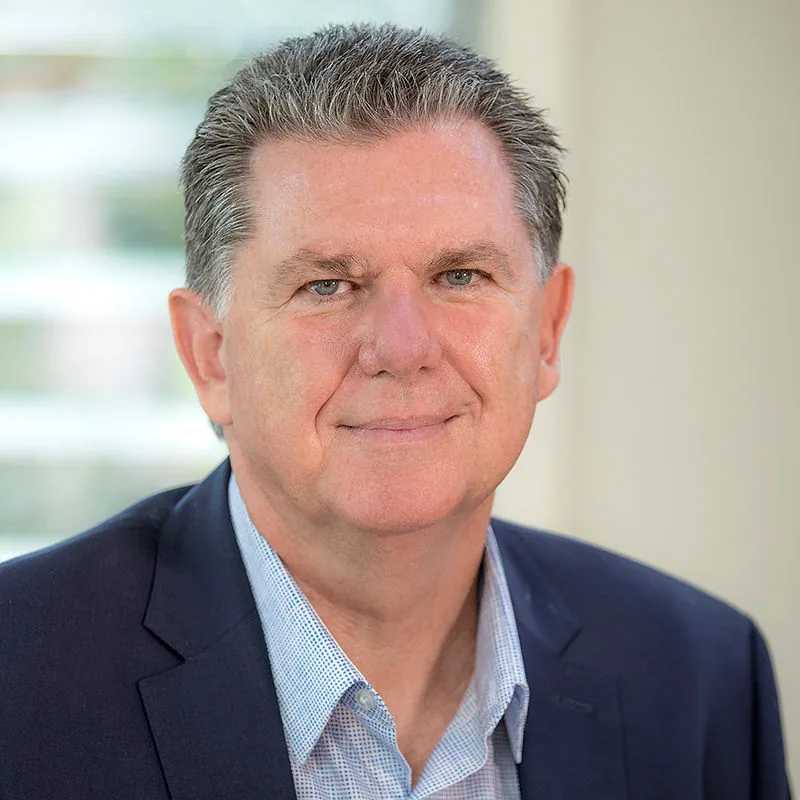
Paul FlanaganRegistered Psychologist and founder of Life Street, Paul has more than 30 years’ experience in clinical and organisational psychology, working with organisations, managers and employees in Australia, New Zealand and globally. He has been appointed multiple times as President of EAPAA and to the Board of the Australian Psychological Society. Meet the team
Keep reading



Talk it through with a senior EAP practitioner
Thirty minutes, no obligation. Bring what your current program is and is not doing, and we will tell you honestly whether we can help.