
Is it time to think differently about EAPs?
A conversation with Paul Flanagan, Registered Psychologist and founder of Life Street.

The short version
- EAPs still matter, but the approach built in the 1980s and 1990s has become reactive and crisis focused.
- Their strength is familiarity and confidentiality. Their weakness is that they act after the fact.
- A better model gives the right type of help to the right people earlier, across the full range of need.
- For HR, the gain is reliable insight into wellbeing need across the organisation, and a real ability to manage risk.
Paul Flanagan has more than 30 years’ experience as a clinical and organisational psychologist. As founder of a national EAP business, Paul developed its programs and reputation, nationally and internationally, up until the late 2000s. That experience with hundreds of organisations led Paul to re-evaluate the effectiveness of the current EAP model, and led to the start of Life Street.
Do Employee Assistance Programs still have an important role to play in organisations?
Yes, they do, but they need to move beyond the existing approach developed in the 1980s and 1990s, which has become unengaging, too reactive and crisis focused. Unfortunately, EAPs have become reactive counselling services. There have been significant advances in mental health and wellbeing research and practice, in positive psychology and in new technologies, but for some reason traditional EAPs have not evolved. Some programs use modern terminology and branding but are, fundamentally, a traditional reactive counselling service.
What do you see as the strengths and weaknesses of traditional EAPs?
The strength is that they are well understood in the workplace and provide qualified professionals to confidentially assist individuals in times of need. On the other hand, they could be so much more. They tend to deal with psychological distress after the fact, rather than looking at the life and work issues that contribute to those wellbeing issues in the first place.
We also now know that the traditional model does not reach all the people in need, and for those it does reach, it is not early enough to prevent personal distress escalating. Having a model that focuses on people with problems means take up stays low, and the program has a relatively low impact across the employee population and on the overall level of wellbeing in the organisation.
You have been working with organisations on a different approach. How did that come about?
I felt that the traditional approach to EAP had not evolved to address employees’ psychological and wellbeing needs in today’s world, and I think some organisations felt the same way. Organisations began adding events in attempts to address employee needs. Some ran resilience training or mental health awareness sessions. Others provided websites or treatment apps for their employees, but they found these initiatives had varying results, or were generally one-off activities.
So I began working with my team to look at how we could help organisations better manage and support employee psychological wellbeing in a sustainable and measurable way. We basically threw the old EAP rule book out and started over. We looked at what we had learnt over 30 years, reviewed global practice, and found some progressive organisations to work with who wanted a different approach: one that included the essential functions of an EAP but is more engaging, preventive and has greater impact.
What are the main differences between the new approach and traditional EAPs?
The key feature of the Life Street model is that it provides targeted help and resources for the different wellbeing needs across an organisation. From those with diagnosed conditions, to those who are distressed and grappling with life issues, through to those who simply want to feel better and flourish.
We take a positive approach to engage employees on issues that really matter to them, and support them with customised self-help tools, resources and professional help. We give the right type of help to the right people earlier. There is also a strong focus on self-help and self-responsibility in the model. Professional help is available, but it is more accessible than in traditional EAPs and is integrated into a positive, preventive program.
One of the biggest strengths from an HR perspective is being able to reliably analyse employee wellbeing needs across the organisation. The reach is further, and the potential to be proactive and manage risk is a significant advance for HR. That program is our Proactive EAP®, and it is the reason Life Street exists.
Who is behind the program?
Life Street is psychologist-led, by senior, experienced practitioners. The people who support your employees and advise your HR and WHS teams have spent their careers doing this work. You can see who they are here, and read more about how we think about psychosocial risk and case patterns.
We give the right type of help to the right people earlier.Paul Flanagan, Registered Psychologist and founder, Life Street
Frequently asked questions
Are EAPs still worth having?
Yes, but the traditional approach needs to move on. A confidential, professional service that people trust is a genuine strength. The limitation is that it acts after the fact, so it engages too late for most of a workforce.
What does a preventive EAP actually do differently?
It offers relevant help across the full range of need rather than only to people already in difficulty, it uses purpose-built digital tools alongside professional support, and it works in partnership with HR and WHS instead of sitting outside the organisation.
Does a proactive model replace counselling?
No. Counselling from senior, experienced practitioners remains essential and is more accessible in this model. It sits inside a preventive program rather than being the only door in.
What does HR get out of it?
Reliable insight into wellbeing needs across the organisation, active program management, and the ability to act on risk earlier rather than responding to it after the fact.
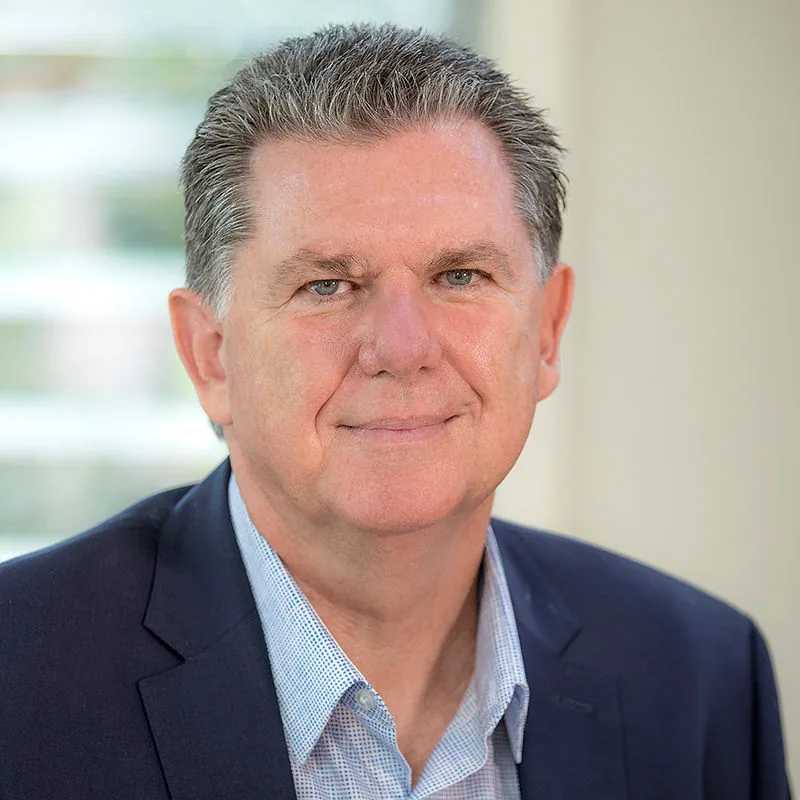
Paul FlanaganRegistered Psychologist and founder of Life Street, Paul has more than 30 years’ experience in clinical and organisational psychology, working with organisations, managers and employees in Australia, New Zealand and globally. He has been appointed multiple times as President of EAPAA and to the Board of the Australian Psychological Society. Meet the team
Keep reading



Talk it through with a senior EAP practitioner
Thirty minutes, no obligation. Bring what your current program is and is not doing, and we will tell you honestly whether we can help.